

Key takeaways
TL;DR
- When a client ghosts you, it is rarely personal. Timing, search fatigue or a missed message is usually the cause. Stay calm, look at what the client has been doing, and send one short, no-pressure note. Then keep them in a relevant nurture so you are the first call when they are ready.
- Most ghosting is about timing, not about you.
- Activity data, like listing views and changed preferences, shows whether a client is still in the market.
- One brief, helpful follow-up beats a string of check-ins.
- Keep quiet clients in useful email campaigns instead of deleting them.
- Review each lost client for a lesson you can apply next time.
client ghosting
Client ghosting is when a buyer, seller or lead stops responding to calls, texts and emails without explaining why. In real estate it often happens after a showing, a listing presentation or a price conversation.
Why Do Real Estate Clients Ghost Agents?
Clients go quiet for ordinary reasons. Their timeline changed. They feel overwhelmed by the number of homes or decisions. They are talking with a friend or family member who is also an agent. Or your message simply got buried.
Common causes:
- Timing shifted. A job, school year or rate change pushed the move back.
- Search fatigue. Too many listings, not enough homes that fit.
- Sticker shock. A price or net proceeds number was not what they expected.
- Wrong channel. You text, they read email, or the reverse.
- Another agent. Sometimes they chose someone else. That still deserves a graceful exit.
How Can You Tell if a Quiet Client Is Still Interested?
Before you send anything, look at what the client has been doing. If they are still opening emails and viewing listings, they are in the market. They just are not ready to talk.
Signals worth checking:
- Email opens and clicks on your listing alerts or newsletters.
- Listing views, especially repeat views of the same home.
- Saved properties, new matches or price drops on homes they liked.
- Changes to their property preferences, such as a new area, price range or home type.
- Time since your last real conversation.
If the activity has stopped completely, check the basics. Is the email address still valid? Did they unsubscribe? Is the phone number current?
What Should You Say to a Client Who Ghosted You?
Send one short message that makes it easy to reply. Give them something useful, name the next step and remove the pressure.
For a buyer who went quiet after showings:
Hi Sam, I saw two new homes in Maple Grove that fit what you liked about the Oak Street house. Want me to send them over, or would you rather pause the search for now? Either is fine.
For a seller who went quiet after a listing presentation:
Hi Priya, no rush on a decision. I put together an updated net proceeds estimate in case it helps you plan. Happy to walk through it whenever suits you.
For a past client or lead with no recent activity:
Hi Jordan, I am checking that you still want market updates for your area. If now is not the right time, just let me know and I will keep it light.
How Do You Keep a Ghosted Client Warm Without Being Pushy?
Move the client from active follow-up into a useful nurture. That keeps you in front of them without asking for a reply every week.
- Fix what you can. Adjust the search area, price range or contact channel based on what you learned.
- Switch to value, not check-ins. Listing alerts that match their preferences, price drop notices and an annual home value update all give them a reason to open.
- Set a reminder. Pick a natural date to reach out again, such as a new season, a rate change or a home anniversary.
- Respect a no. If they ask to pause or unsubscribe, honor it and note why.
How RISE by MoxiWorks Helps You Notice Who Is Coming Back
RISE by MoxiWorks is a native-AI relationship engine that tells agents who to call, why now and what to do next.
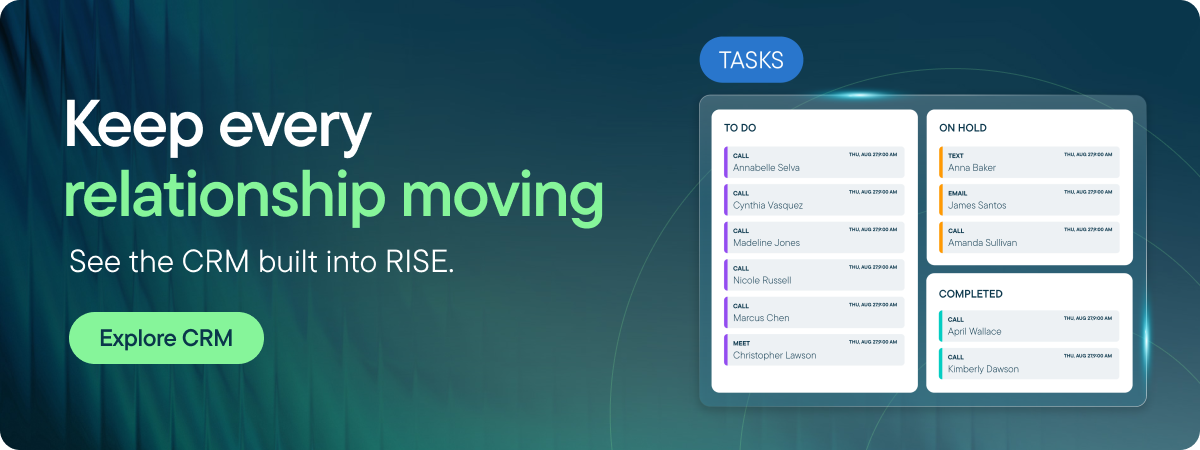
- Top Contacts prioritizes people in your database using behavioral and relationship signals, with a plain-language reason each person was surfaced and suggested outreach. You can email, set a reminder or open the contact right from the card.
- Signals include email opens and clicks, listing views and repeat views, saved properties, new listing matches and price drops, plus time since last contact. Opportunity cards such as New Buyer Preference pair an event with context and a next step.
- Campaigns keep quiet clients warm with Property Match, Just Listed and Price Reduced alerts, Housiversary emails and tag-triggered nurture series. Campaign reports show who opened and clicked.
- RISE Presentations let you build a Seller CMA with a Net Proceeds worksheet when a seller is ready to talk numbers again.
Signals rely on activity RISE can see, so contacts need valid email addresses and campaign or listing engagement.
What Can You Learn From a Client Who Ghosted?
Every lost client is feedback. After a few weeks, ask yourself:
- Did I confirm their timeline and preferred channel at the start?
- Did I send too many listings that did not fit?
- Was the price or net proceeds conversation clear?
- Did I follow up with value or just check in?
Note the answer on the contact record so your next conversation starts from what you learned.
FAQs
What does it mean when a real estate client ghosts you?
It means a buyer, seller or lead stops answering calls, texts and emails without explaining why. In real estate it often happens after a showing, a listing presentation or a conversation about price.
Why do real estate clients ghost agents?
Usually for ordinary reasons: their timeline changed, they’re tired of searching, a price or net proceeds number surprised them, your messages are reaching the wrong channel, or they chose another agent. It’s rarely personal.
How should an agent respond to a ghosting client?
Send one short, helpful message that makes it easy to reply or to pause, such as new matching listings or an updated estimate. If there’s still no answer, move them into a relevant nurture campaign and set a reminder to check in later.
How many times should you follow up with a client who stopped responding?
Two or three thoughtful messages across different channels is usually enough. After that, switch to useful automated content rather than more personal check-ins.
How can agents spot warning signs before a client goes silent?
Watch for fewer email opens, fewer listing views, slower replies, missed appointments or a sudden change in what they’re searching for. A CRM that tracks engagement shows these signs early, so you can adjust before the conversation stops.